7 HVAC Maintenance Tips to Save Energy
HVAC maintenance is routine professional care that keeps your heating and cooling equipment safe, efficient, and reliable. It typically includes inspection, cleaning, testing, and minor adjustments for furnaces, boilers, air conditioners, heat pumps, and ductwork. Regular service can improve comfort, reduce energy waste, and help prevent unexpected breakdowns.
Why is HVAC maintenance important?
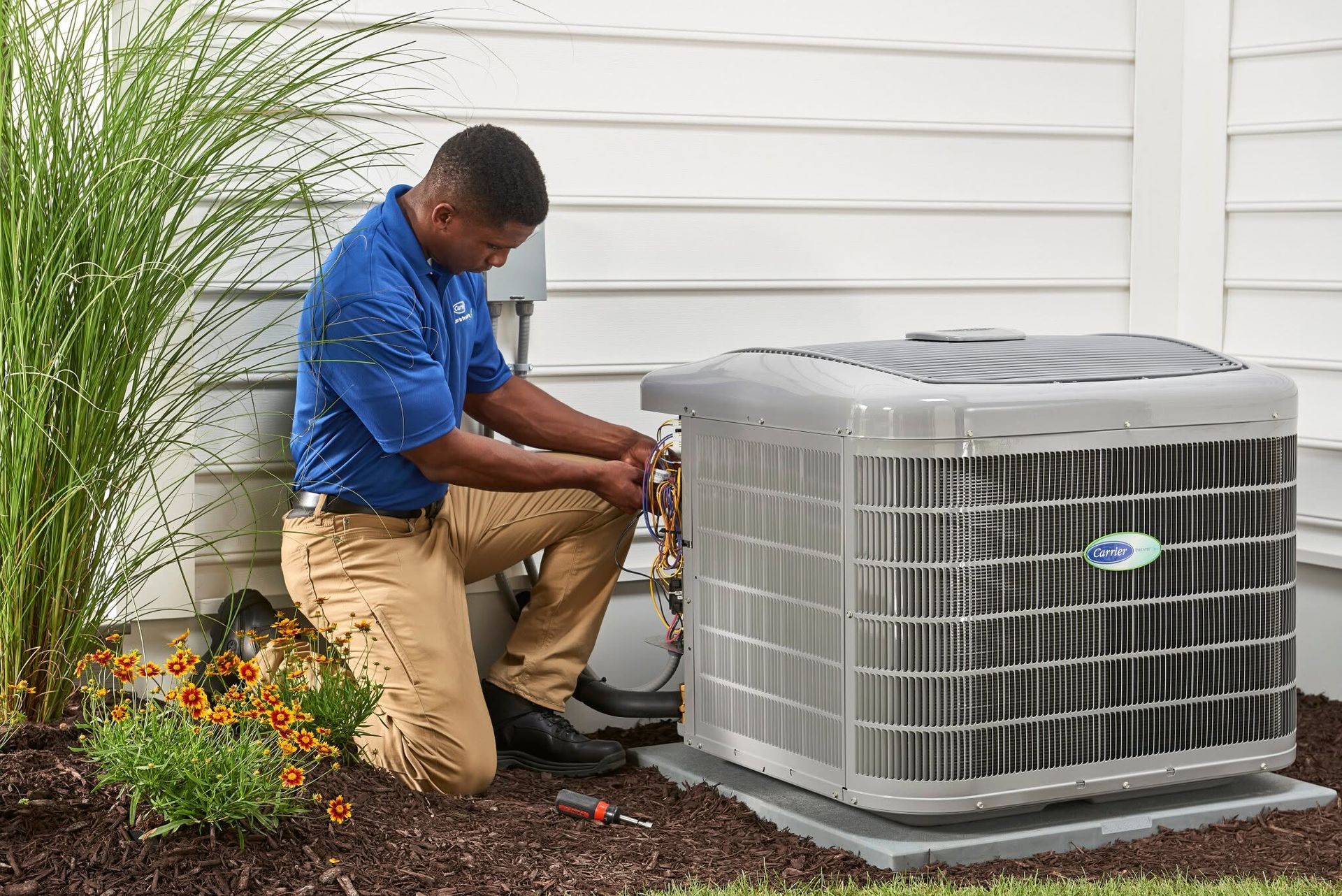
Heating and cooling systems work hard through Minnesota’s changing seasons. Dust, restricted airflow, worn electrical components, dirty coils, and small refrigerant or drainage issues can gradually reduce performance. A maintenance visit gives a qualified technician the opportunity to find these concerns before they become expensive repairs.
The main benefits include:
- More consistent indoor temperatures
- Better airflow and energy efficiency
- Fewer avoidable breakdowns
- Longer equipment life
- Improved safety and peace of mind
Maintenance does not guarantee that a system will never fail, especially if it is old or heavily used. However, it provides useful information about the equipment’s condition and helps you plan repairs or replacement before an emergency occurs.
What does HVAC maintenance include?
The exact checklist depends on the equipment, but a professional HVAC tune-up commonly includes:
- Inspecting the system and identifying unusual wear or damage.
- Checking filters, airflow, vents, blower operation, and duct connections.
- Cleaning accessible components, coils, burners, or condensate areas.
- Testing safety controls, electrical connections, thermostats, and operating cycles.
- Measuring performance and explaining recommended repairs or adjustments.
For a furnace, the technician may inspect the heat exchanger, ignition system, flame sensor, combustion operation, and carbon monoxide safety concerns. For an air conditioner, service can include checking the outdoor coil, refrigerant-related performance, capacitor, condensate drain, and temperature split.
Boilers require different attention, including checks of pumps, pressure, expansion tanks, valves, controls, and water circulation. Heat pumps and mini-splits also need seasonal inspection of coils, filters, refrigerant performance, and defrost operation.
How often should HVAC systems be serviced?
Most homeowners should schedule professional HVAC maintenance at least once a year. Because heating and cooling equipment operate in different seasons, many systems benefit from two visits:
- Furnaces and boilers: Schedule a heating tune-up in late summer or early autumn, before cold weather arrives.
- Air conditioners: Schedule cooling maintenance in spring, before regular use begins.
- Heat pumps: Consider twice-yearly service because one system provides both heating and cooling.
- Mini-splits: Follow the manufacturer’s recommendations, with regular filter cleaning between professional visits.
Older systems, heavily used equipment, homes with pets, and properties with dust or indoor air-quality concerns may need more frequent attention. Your technician can recommend a sensible schedule based on system age, condition, and usage.
What HVAC maintenance can homeowners do safely?
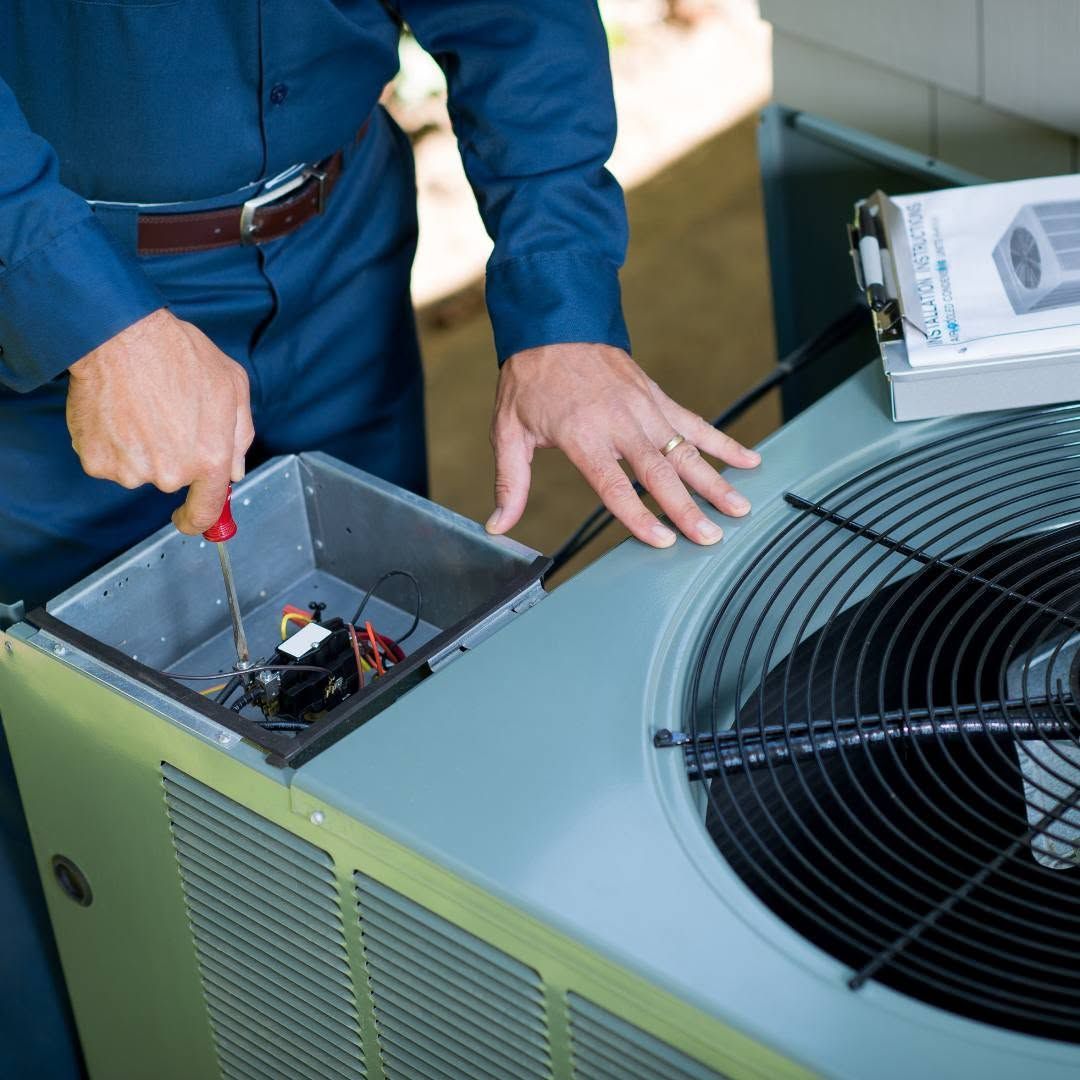
Simple homeowner tasks support professional service and help your equipment run properly. They do not replace an inspection by a trained HVAC technician.
- Replace or clean the filter according to its type and the manufacturer’s instructions.
- Keep supply vents and return grilles open and free from furniture or clutter.
- Remove leaves, grass, and debris from around an outdoor condenser, leaving safe clearance.
- Check that the thermostat is working and programmed for your household’s schedule.
- Look for unusual noises, odours, water, short cycling, or weak airflow.
Turn off the system and contact a professional if you notice burning smells, repeated electrical trips, gas odours, carbon monoxide alarm activity, refrigerant concerns, or water near electrical components. Do not open sealed refrigerant circuits or attempt combustion and electrical repairs yourself.
Signs your HVAC system needs service now
A system does not have to stop working completely before it needs attention. Arrange an inspection if you notice:
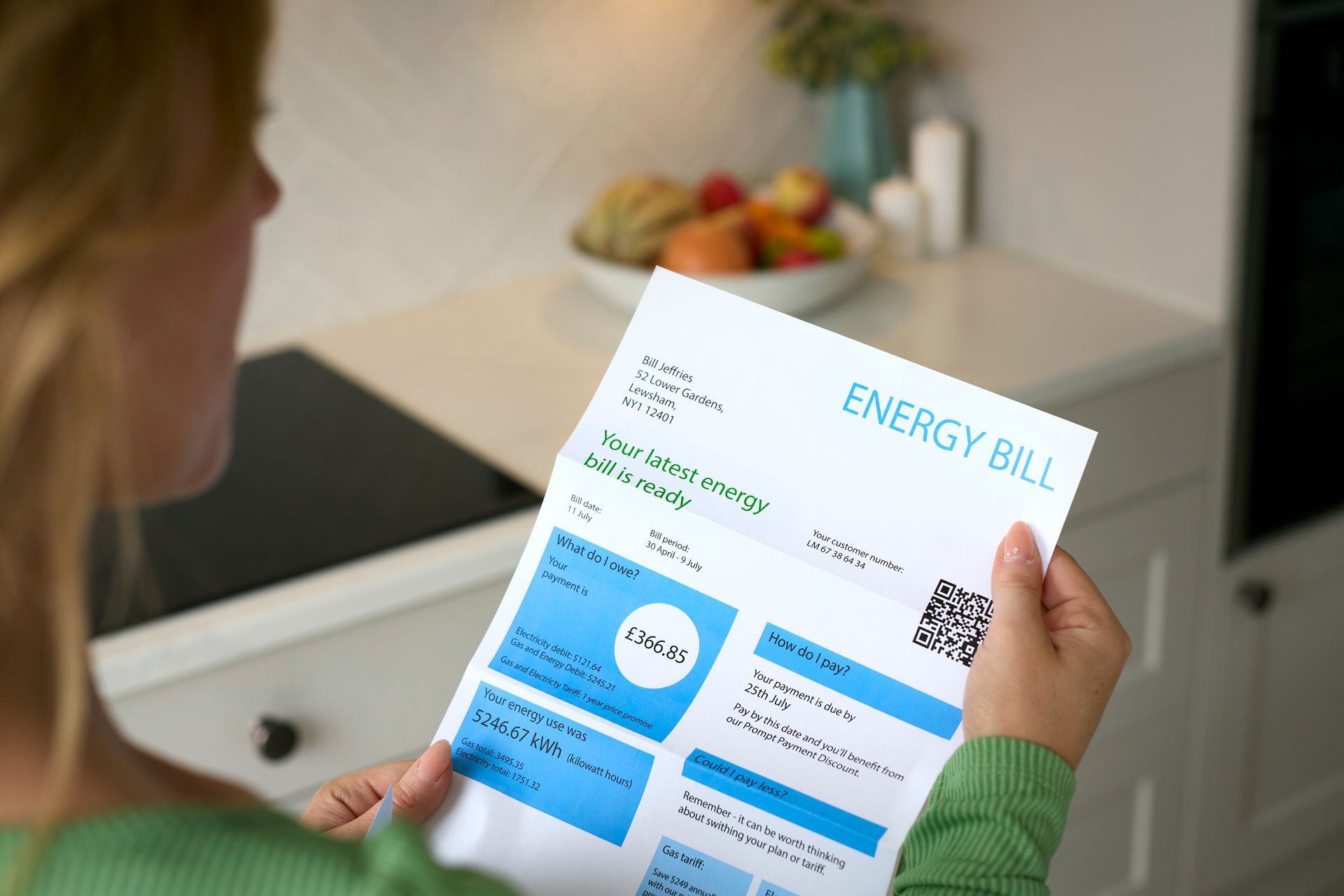
- Rising energy bills without a clear change in usage
- Uneven temperatures between rooms
- Longer run times or frequent short cycling
- Strange rattling, grinding, buzzing, or squealing
- Weak airflow from several vents
- Excess moisture, ice, or water around the equipment
- A thermostat that cannot maintain the selected temperature
Some symptoms are minor, while others indicate a safety or equipment problem. Prompt service can prevent a small issue from damaging motors, controls, compressors, or other costly components.
How can HVAC maintenance reduce energy costs?
A clean, correctly adjusted system generally transfers or distributes heat more effectively than one operating with restricted airflow or dirty components. Maintenance may reduce unnecessary run time and help the system reach the thermostat setting more consistently.
Savings vary according to equipment age, insulation, thermostat settings, fuel prices, and the condition of the home. Be cautious of guarantees promising a specific percentage reduction. A trustworthy contractor should explain the system’s actual condition and distinguish recommended maintenance from optional upgrades.
For broader efficiency improvements, you may also compare heat pump systems, review duct design and installation, or ask about equipment sizing during a replacement project.
Seasonal HVAC maintenance checklist
Use this quick checklist before each major heating or cooling season:
- Change or inspect the filter.
- Clear outdoor equipment and check visible drain areas.
- Confirm vents and returns are open.
- Test the thermostat and note unusual system behaviour.
- Book professional maintenance before peak demand.
A written service report is helpful. Keep it with your equipment records so you can track repairs, performance observations, filter sizes, and the system’s age.
When should you repair or replace equipment?
Maintenance can reveal whether a repair is practical or whether replacement deserves consideration. Repair may make sense when the system is relatively young, the issue is isolated, and the expected cost is reasonable. Replacement may be worth evaluating when equipment is very old, requires frequent repairs, uses excessive energy, or needs a major component.
A professional should explain the options rather than pressure you into a decision. Ask about total repair cost, expected remaining life, efficiency, warranty coverage, available equipment, and installation requirements. If your furnace needs attention, explore furnace repair and replacement. For cooling concerns, see AC repair and replacement.
Frequently asked questions
Is an HVAC tune-up worth it?
Yes, regular HVAC maintenance is usually worthwhile for homeowners who want to improve reliability, identify developing problems, and keep equipment operating efficiently. Its value is greatest when service is scheduled before extreme temperatures and combined with timely repairs.
How long does HVAC maintenance take?
A standard visit often takes around 60 to 90 minutes, although the time varies by equipment type, accessibility, system condition, and whether repairs are needed. A technician should explain any additional work before proceeding.
Should I service my HVAC system every year?
Annual service is a good minimum for most furnaces, boilers, and air conditioners. Heat pumps may need service twice a year because they operate throughout both heating and cooling seasons.
Can maintenance fix poor airflow?
It can identify common causes such as a dirty filter, blocked vents, blower issues, or duct restrictions. Some airflow problems require duct repairs, equipment adjustments, or a detailed assessment of system design.
Key takeaways
HVAC maintenance is a practical way to protect comfort, efficiency, and reliability in your home. Schedule heating service before winter and cooling service before summer, while inspecting filters and airflow throughout the year. Pay attention to unusual sounds, odours, moisture, short cycling, and rising energy bills. If your system is aging or repeatedly breaking down, use the maintenance visit to compare repair and replacement options. For local service in Prior Lake and the Twin Cities South Metro, schedule heating and cooling service with a qualified HVAC professional.