What Makes a Great HVAC Design and Installation in Lakeville, MN?
What Makes a Great HVAC Design and Installation in Lakeville, MN?
A properly designed HVAC system starts on paper, long before any equipment arrives. In Lakeville, where winter design temperatures can reach -16°F and summer humidity pushes cooling loads high, skipping the design phase means guessing on equipment size — and a wrong guess leads directly to hot and cold rooms, short cycling, and higher energy bills year-round.
Why Does HVAC Design Come Before Installation?
Design work determines what size system your home actually needs, where air should flow, and how ductwork must be routed — none of which can be improvised accurately on installation day.
Most 'swap and go' replacements skip this step entirely. A contractor pulls the old unit, installs a similarly sized new one, and calls it done. The problem is that the original system may have been oversized or undersized to begin with, and nothing about the new install corrects that. An oversized furnace short-cycles — it heats quickly, shuts off, then restarts before the home stabilizes — which leaves humidity uncontrolled and puts extra wear on components.
Design work also locks in duct layout decisions before walls are closed or equipment is set. Changes made on paper cost nothing; changes made after installation cost significantly more.
What Is a Manual J Load Calculation, and Why Does It Matter in Dakota County?
A Manual J load calculation is a room-by-room analysis of how much heat your home loses in winter and gains in summer — expressed in BTUs — so equipment can be sized to match actual demand rather than guesswork.
The inputs include insulation levels, window area and orientation, ceiling height, air infiltration rate, and occupancy. For a Lakeville home, the outdoor design temperature used for heating is around -16°F — that is the temperature the system must be able to hold against on the coldest nights of the year. Cooling calculations account for a 91°F outdoor temperature plus humidity load.
What comes out is a precise BTU target for each zone or room. Equipment selected from that number will run longer cycles at lower intensity, which controls humidity better and distributes heat more evenly than an oversized unit blasting on and off. If your system cannot hold 70°F on a -15°F night, the load calculation was either skipped or done incorrectly.
How Is Ductwork Designed for Split-Level and Two-Story Homes in Lakeville?
Duct layout follows a separate engineering standard called Manual D, which calculates friction rate, air velocity, and static pressure to make sure air actually reaches every register at the right volume.
Lakeville's housing stock — split-levels, two-stories, and walkout homes built from the 1980s through the 2000s — creates real routing challenges. Long duct runs to upper floors lose pressure. Multiple return paths must be balanced so no room goes positive or negative. Supply registers placed on exterior walls or under windows (standard cold-climate practice) fight heat loss right where it enters the room, rather than blowing warm air across an open floor where it dissipates before reaching the perimeter.
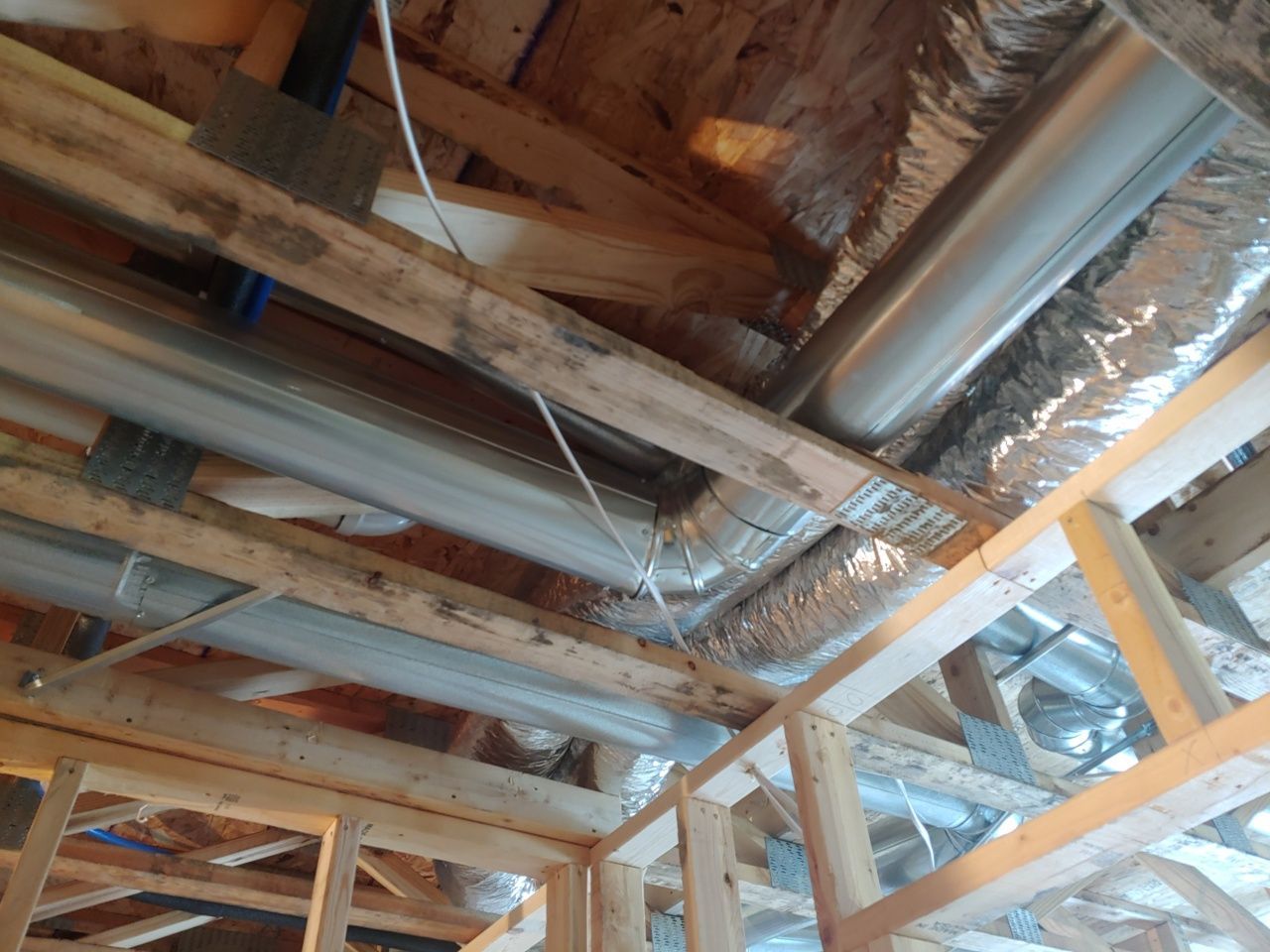
Retrofit installations face an additional constraint: the duct system must fit within the existing structure. That sometimes means adding a return, rerouting a trunk line, or accepting a flex-duct compromise — but a good design documents those trade-offs rather than ignoring them. You can explore the full custom duct design process to understand what that looks like in practice.
Choosing Equipment to Match Minnesota's Climate
Equipment selection happens after the load calculation is complete — not before. The BTU output needed for your home determines which models fit; brand preference or promotional pricing should come second.
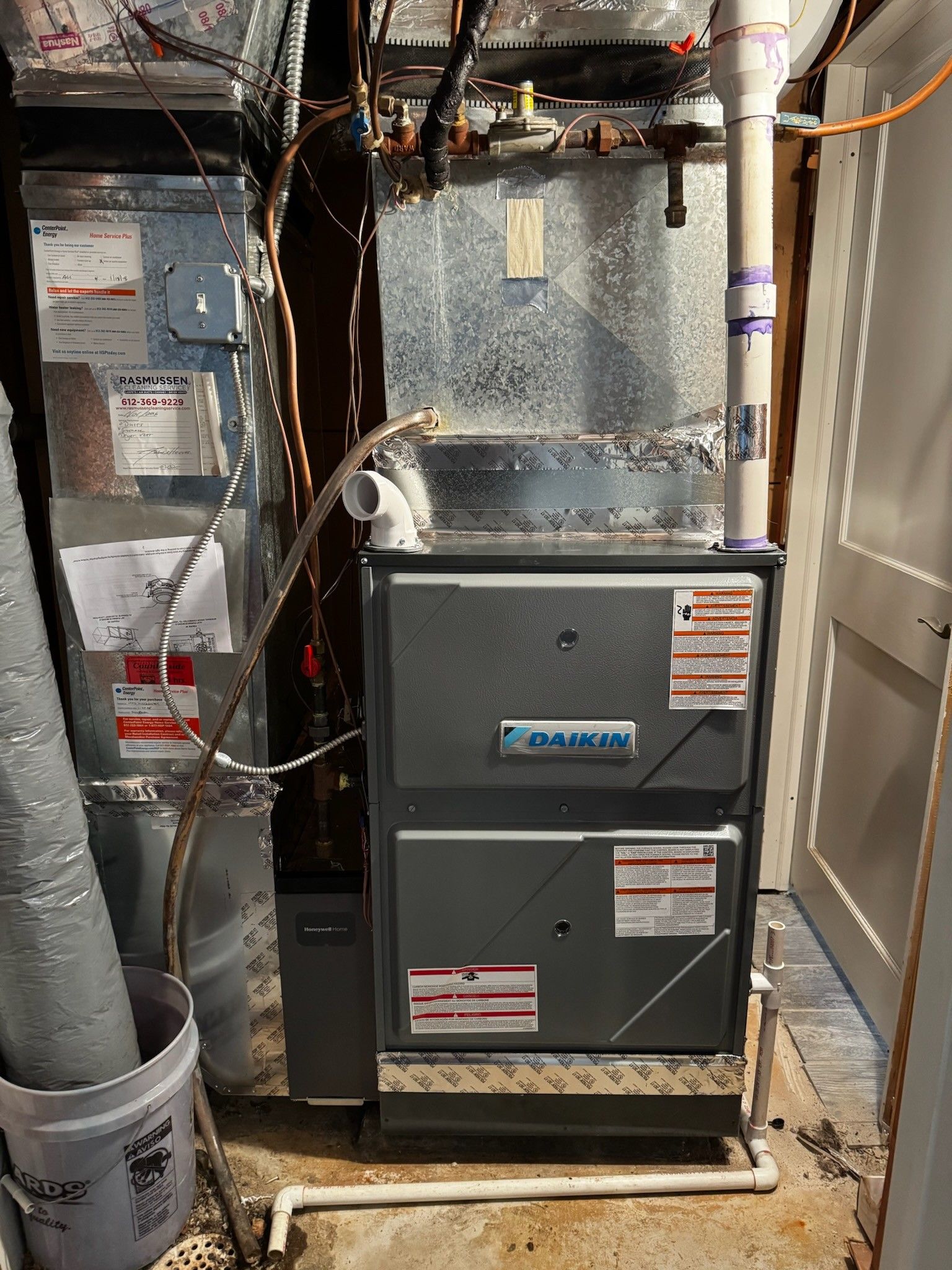
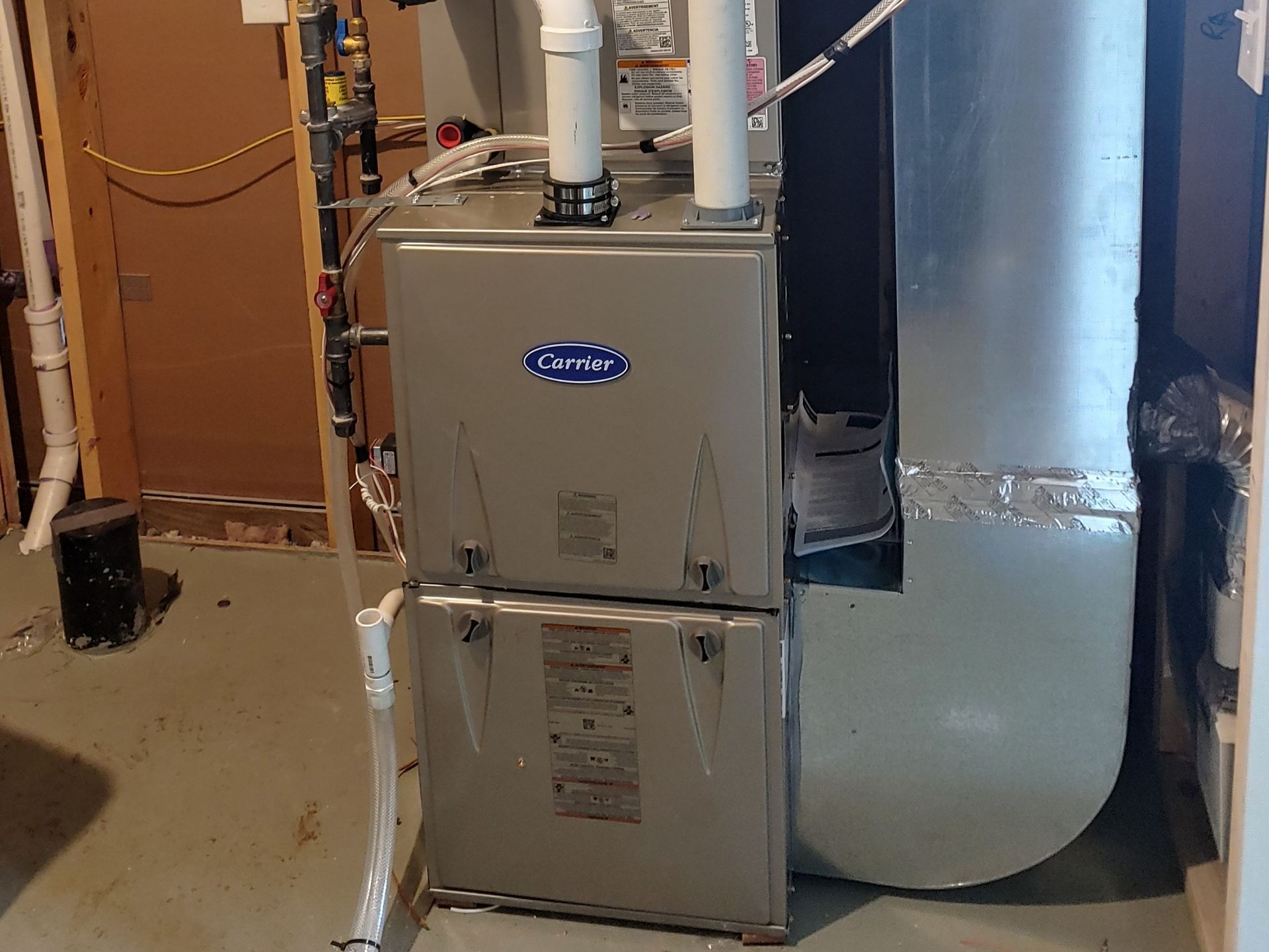
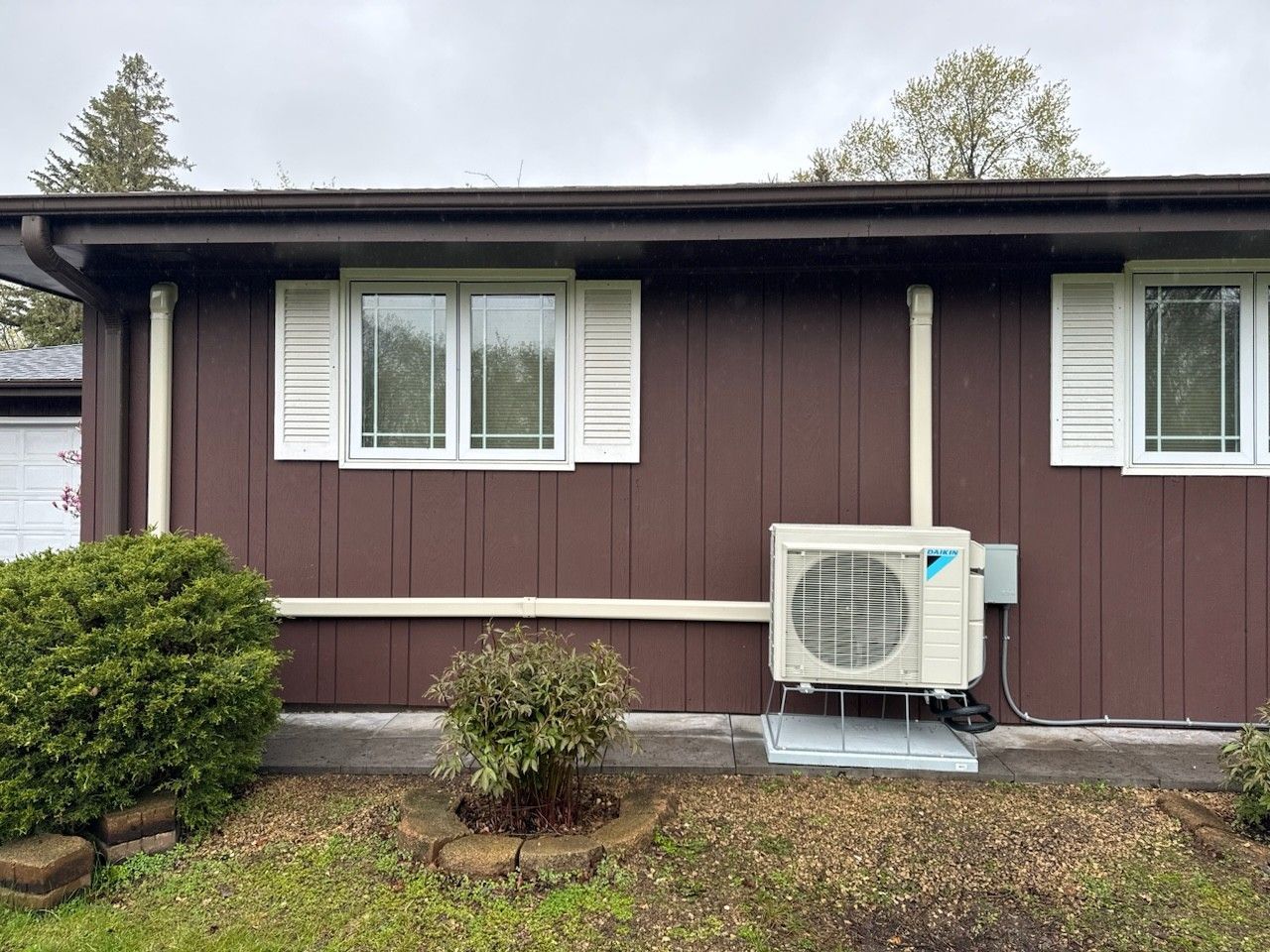
For Dakota County, a 96%+ AFUE two-stage or modulating gas furnace remains the most common choice because it handles sustained extreme cold reliably. Modern cold-climate heat pumps from manufacturers like Mitsubishi and Bosch are rated down to -13°F or lower, making them genuinely viable in Lakeville — but sizing for a backup heat source is critical when outdoor temps drop below the heat pump's rated floor. Hybrid systems pair a heat pump with a gas furnace backup and let the system switch automatically based on efficiency and capacity.
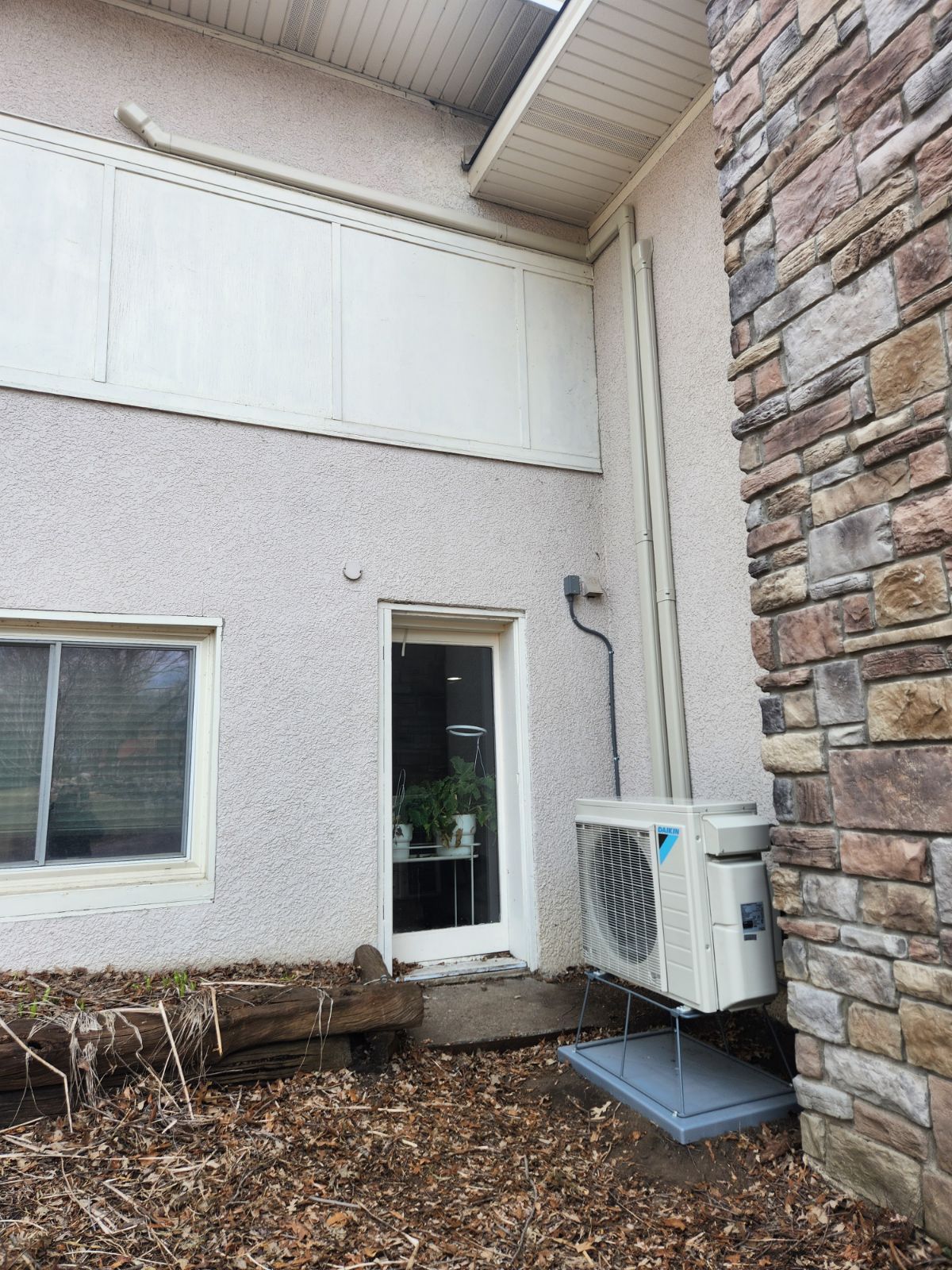
For homes without existing ductwork — finished basements, sunrooms, additions — ductless mini-splits deliver conditioned air without tearing into walls. AC system selection follows the same logic: a variable-speed or two-stage compressor modulates output to handle Minnesota's humid summer days without the humidity spikes that single-stage units cause when they short-cycle.
New Construction vs. Retrofit — Different Design Challenges
New construction gives a design team full freedom: duct chases can be framed into the structure, the mechanical room can be sized correctly, and rough-in sequencing can be coordinated with the framing crew before drywall goes up. If you are building in one of Lakeville's active new subdivisions, that coordination window is where the best systems are created. See how new construction HVAC coordination works from the ground up.
Retrofit work operates inside constraints. The existing duct system may be undersized, poorly routed, or incompatible with a new air handler's airflow requirements. One of the most common retrofit mistakes is replacing the furnace or air handler while leaving an undersized duct system in place — the new equipment then fights against restricted airflow from day one, reducing efficiency and shortening its life.
What Does a Completed, Quality Installation Actually Include?
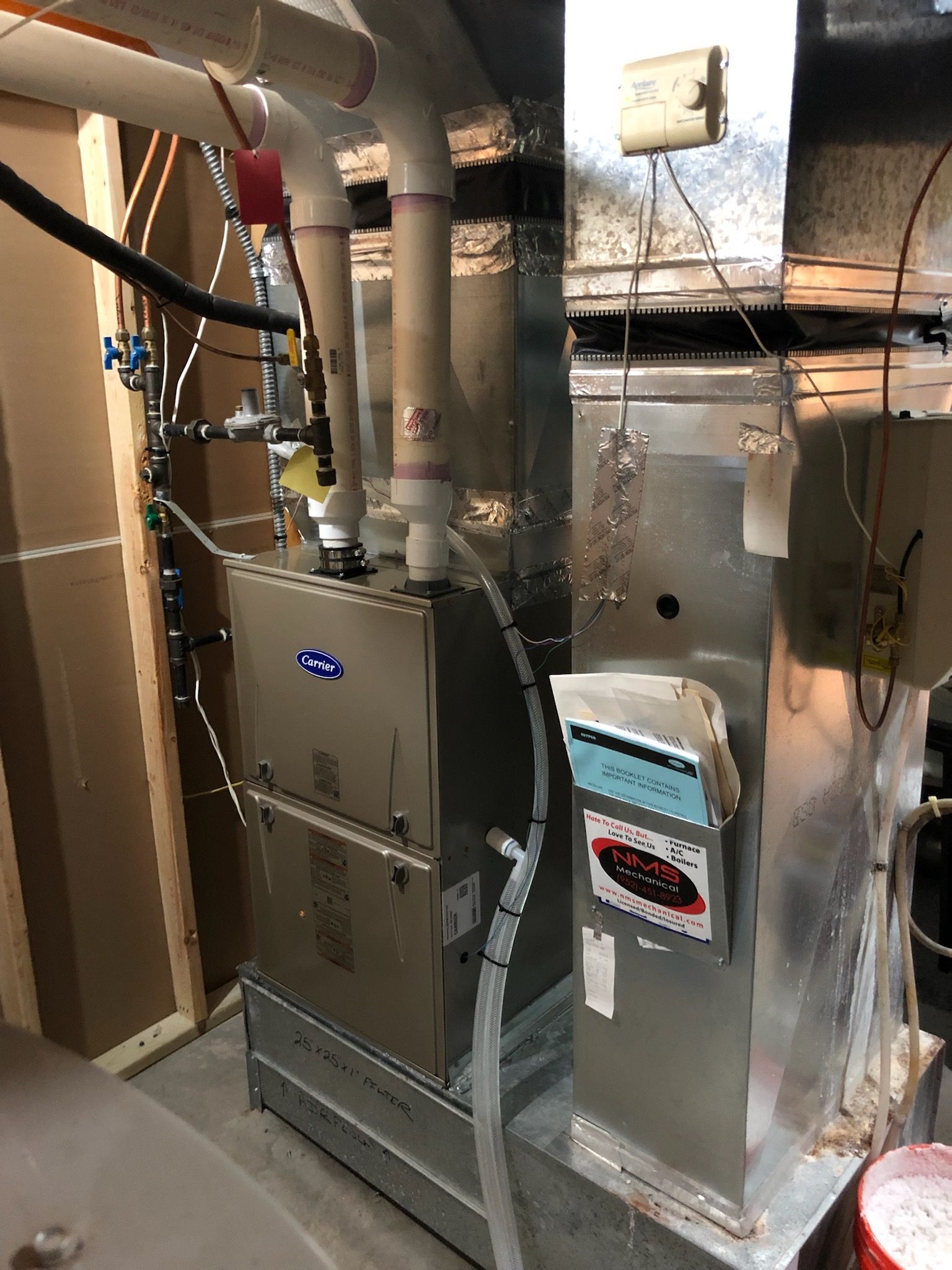
A finished installation includes permits pulled through Dakota County (required for any HVAC work in Lakeville), equipment set and connected per manufacturer specs, ductwork fabricated or selected to match the design drawing, refrigerant lines brazed and properly evacuated, and controls programmed and tested.
Commissioning is the step that confirms the installed system matches the design on paper. A technician measures actual airflow at each register and compares it to the design target, checks static pressure to confirm the duct system is not choking the equipment, verifies refrigerant charge using superheat and subcooling readings, and runs a temperature differential check between supply and return air. On gas appliances, combustion analysis confirms CO levels and flue draft are within safe limits. You can ask for a written commissioning report — a professional HVAC installation should produce one.
Local Climate and Permit Requirements in Lakeville
Dakota County's building department requires permits for HVAC installations, and inspections confirm that work meets Minnesota's energy code — which sets minimum efficiency standards for equipment and affects insulation requirements tied to HVAC design inputs.
Xcel Energy and CenterPoint Energy both offer rebates for high-efficiency equipment and qualifying heat pump installations. A contractor familiar with the local utility programs can identify which rebates apply to your project and handle the paperwork, which directly offsets your installation cost. Soil and frost depth matter for ground-source heat pump loop fields but do not affect typical forced-air or ductless installs.
A properly engineered system — sized from a Manual J calculation, ducted to Manual D standards, and commissioned at startup — performs consistently through Dakota County's full temperature range without the hot spots, humidity swings, or equipment wear that come from guessing.
Schedule a design consultation with NMS Mechanical to start your Lakeville project with the calculations, duct layout, and equipment selection it deserves.